
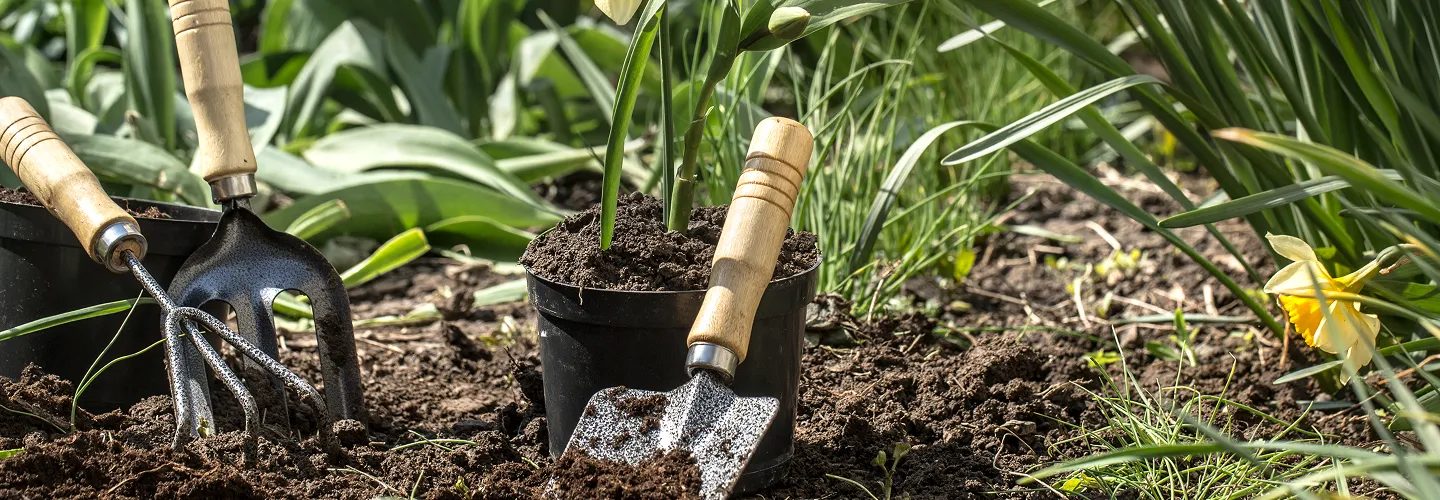
Grovetown Flower Bed Maintenance Services
Choose our Flower Bed Maintenance for expert care, vibrant blooms, and a weed-free garden—so you can enjoy a beautiful, hassle-free landscape without lifting a finger.
Get a Free QuoteOur Grovetown Landscaping & Yard Care Services
When to Schedule Flower Bed Maintenance in Grovetown, Georgia – Seasonal Guide
In Grovetown, Georgia, the timing of flower bed maintenance is closely tied to our unique climate and local landscape features. With mild winters and hot, humid summers, the best periods for comprehensive flower bed care are early spring and late fall. These windows allow for soil preparation, mulching, and planting before the intense summer heat or after the risk of frost has passed. Neighborhoods near Patriots Park and the Euchee Creek Greenway often experience microclimates due to varying shade coverage and proximity to water, which can influence the ideal maintenance schedule.
Local environmental factors such as late spring frost dates, periods of drought risk in July and August, and the region’s clay-heavy soils all play a role in determining when to schedule services. Homeowners in subdivisions like Canterbury Farms or near Grovetown Trails at Euchee Creek should also consider municipal guidelines and local resources when planning maintenance. By understanding these Grovetown-specific conditions, you can ensure your flower beds remain healthy and vibrant throughout the year.
Local Factors to Consider for Flower Bed Maintenance in Grovetown
- Tree density and shade coverage, especially in established neighborhoods
- Soil type (clay content and drainage)
- Average precipitation and drought risk during summer months
- Frost dates, typically late March to early April
- Terrain and slope, which affect water runoff
- Municipal restrictions or watering schedules
Benefits of Flower Bed Maintenance in Grovetown
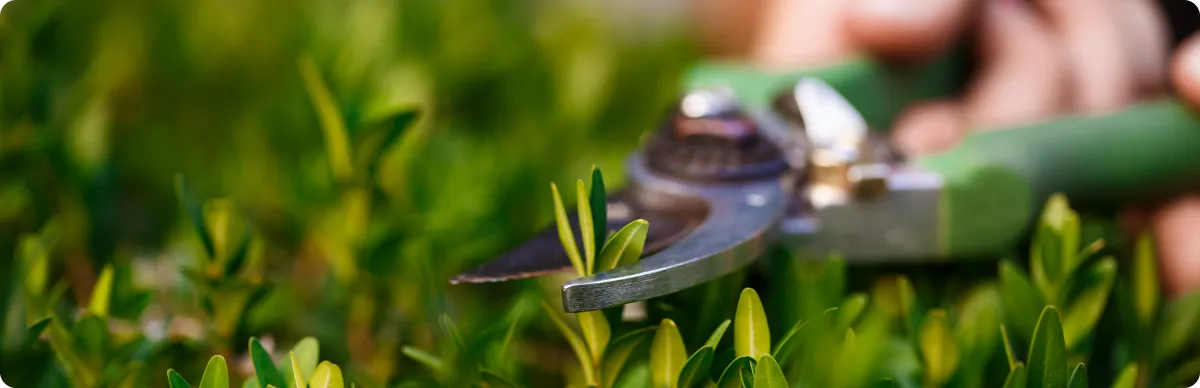
Enhanced Curb Appeal
Weed and Pest Prevention
Healthier Plant Growth
Seasonal Color Management
Professional Landscape Expertise
Time and Effort Savings
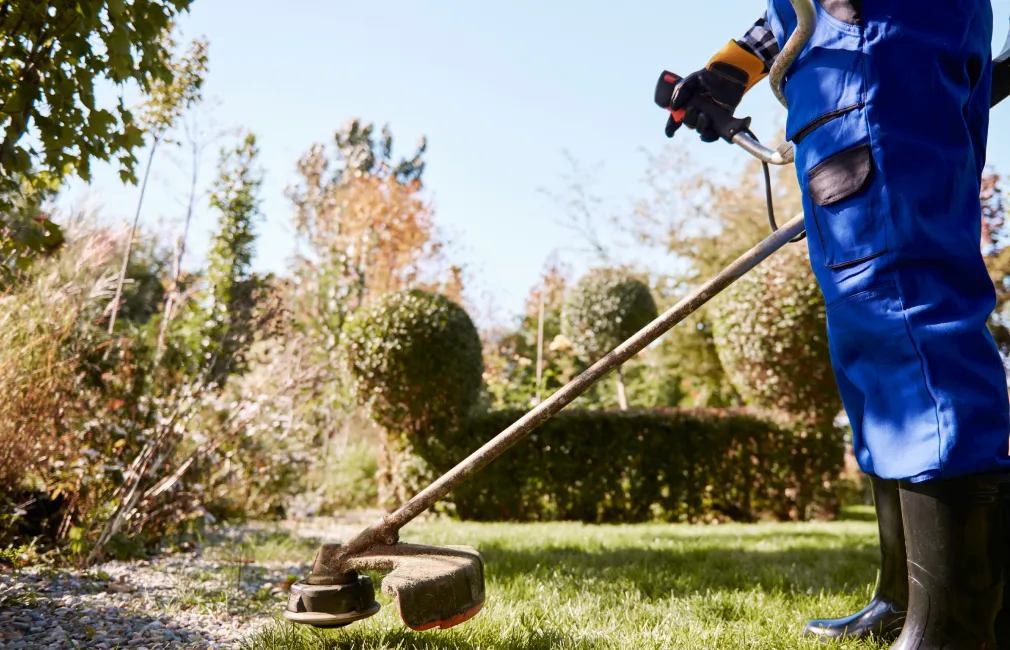
Grovetown Flower Bed Maintenance Types

Seasonal Flower Planting
-
Weed Control Services
-
Mulching and Soil Conditioning
-
Pruning and Deadheading
-
Fertilization Programs
-
Pest and Disease Management
-
Edging and Bed Redefining
Our Flower Bed Maintenance Process
Site Evaluation
Weed Removal
Soil Preparation
Plant Care
Mulching
Why Choose Grovetown Landscape Services
Grovetown Homeowners Trust Us
-
Comprehensive Lawn Maintenance
-
Reliable Scheduling
-
Experienced Local Team
-
Competitive Pricing
-
Satisfaction Guarantee
-
Personalized Service Plans
-
Prompt Customer Support
Grovetown's Piedmont-Coastal Plain Transition Soils and Flower Bed Preparation
Grovetown sits in Columbia County near the fall line where Georgia's Piedmont red clay transitions into the upper Coastal Plain's sandier soils. According to the USDA Web Soil Survey, predominant soil series in the Grovetown area include Lakeland, Orangeburg, and Norfolk soils—typically sandy loams with moderate to rapid drainage and naturally acidic pH levels ranging from 5.0 to 6.2. These conditions directly affect flower bed preparation and long-term plant health. Before establishing or renovating beds, property owners should consider the following steps:
- Soil testing: Submit samples through the UGA Cooperative Extension Columbia County office to determine pH, phosphorus, and potassium levels before amending beds.
- Organic matter incorporation: Sandy soils in Grovetown drain quickly and retain fewer nutrients; adding 2–4 inches of composted material improves moisture retention and microbial activity.
- pH adjustment: Most ornamental bed plants perform best at a pH of 5.8–6.5. Lime applications should be guided by soil test results, not estimated.
- Drainage assessment: While sandy soils generally drain well, compacted fill soils in newer Grovetown subdivisions may require raised bed construction or subsurface amendment to prevent root saturation.
Grovetown falls within USDA Plant Hardiness Zone 8b, supporting a wide range of warm-season annuals and perennials suited to the Augusta-area climate.
Seasonal Flower Bed Maintenance Timing for Grovetown's Long Growing Season
Grovetown's extended warm season—typically lasting from mid-March through late October—creates both opportunities and obligations for flower bed upkeep. The National Weather Service Augusta-area forecast office indicates average last spring frost dates near mid-March and first fall frost dates in mid-November, giving residents approximately 240 frost-free days annually. Effective bed maintenance should follow this seasonal framework:
- Late February–March: Remove winter mulch debris, cut back dead perennial stems, and apply pre-emergent weed control before soil temperatures reach 55°F consistently.
- April–May: Install warm-season annuals such as lantana, pentas, vinca, and zinnias after the last frost risk passes. Refresh mulch to a depth of 2–3 inches, keeping material 1–2 inches away from plant stems.
- June–August: Monitor beds weekly for weed encroachment, fungal issues driven by high humidity, and irrigation needs during drought periods. Deadhead spent blooms to encourage continued flowering.
- September–October: Transition beds by removing exhausted summer annuals and preparing for cool-season plantings such as pansies, ornamental kale, and snapdragons.
- November–January: Apply a fresh layer of mulch for winter insulation and conduct bed edge maintenance to prevent turf encroachment.
Consistent timing aligned with Grovetown's climate reduces plant stress, limits pest pressure, and maintains bed appearance year-round.
How Grovetown's Code Enforcement Standards Affect Flower Bed Upkeep
Property owners and managers in Grovetown should be aware that flower bed maintenance intersects with municipal property maintenance standards. The Grovetown Code Enforcement division enforces ordinances related to overgrown vegetation, nuisance conditions, and general property appearance. Neglected flower beds that become overgrown with weeds, harbor invasive species, or create sightline obstructions near sidewalks and roadways may trigger code compliance action. Key considerations include:
- Vegetation height: Beds adjacent to public rights-of-way must not obstruct pedestrian or vehicular sightlines. Overgrown ornamental grasses or shrub-like perennials near intersections or driveways may require trimming to maintain safe visibility.
- Nuisance vegetation: Beds overtaken by invasive species such as Chinese privet, kudzu, or Japanese honeysuckle should be addressed promptly. The UGA Extension - Invasive Species program provides identification and management guidance.
- Debris and waste: Accumulated plant debris, broken edging materials, or abandoned containers in bed areas may constitute a code violation.
Residents who receive a notice or have questions about property maintenance standards should contact Grovetown Code Enforcement directly to verify current requirements and compliance timelines.
Grovetown Code Enforcement
103 Old Wrightsboro Road, Grovetown, GA 30813
Phone: (706) 863-4576
Official Website: Grovetown Code Enforcement
Protecting Euchee Creek Tributaries and Stormwater Infrastructure During Bed Work
Grovetown's development pattern includes numerous subdivisions situated near tributaries of Euchee Creek and other small drainage corridors that feed into the Savannah River watershed. Flower bed maintenance activities—particularly soil amendment, fertilizer application, and mulch installation—can contribute to stormwater pollution if materials migrate into storm drains, ditches, or creek buffers. The Georgia EPD Watershed Protection Branch oversees water quality standards that apply to runoff from residential and commercial properties. Property owners should observe the following precautions:
- Fertilizer containment: Apply granular or liquid fertilizers only within bed boundaries. Sweep any material that lands on sidewalks, driveways, or curbs back into the bed to prevent wash-off into storm drains.
- Mulch placement: Avoid piling mulch near drainage swales, ditch lines, or stormwater inlet grates. Loose mulch can clog inlet structures during heavy rain events common in Grovetown's summer months.
- Erosion control: When renovating or regrading beds on sloped lots, use temporary silt barriers or erosion blankets to prevent soil from entering adjacent drainage features.
- Chemical application timing: Do not apply herbicides or pesticides to flower beds within 24 hours of forecasted rainfall to reduce the risk of chemical runoff reaching local waterways.
The Grovetown Streets and Sanitation Department maintains public drainage infrastructure and can provide guidance on stormwater inlet locations near residential properties.
Grovetown Streets and Sanitation Department
103 Old Wrightsboro Road, Grovetown, GA 30813
Phone: (706) 863-4576
Official Website: Grovetown Streets and Sanitation Department
Georgia Pesticide and Fertilizer Regulations Relevant to Flower Bed Chemical Applications
When flower bed maintenance involves the use of herbicides, insecticides, fungicides, or commercial fertilizers, Georgia state regulations establish important compliance requirements. Under the Georgia Pesticide Use and Application Act of 1976, any person applying restricted-use pesticides on a for-hire basis must hold a valid commercial applicator license issued through the Georgia Department of Agriculture. Homeowners applying pesticides to their own property are generally exempt from licensing but must still follow all label directions, which carry the force of federal law under EPA oversight.
Key regulatory points for Grovetown residents and service providers include:
- Licensing verification: Property owners hiring professionals for bed-applied weed control or pest treatment should confirm that the provider holds a current Georgia commercial pesticide applicator license in the appropriate category.
- Fertilizer labeling: The Georgia Fertilizer Act of 1997 regulates the sale and labeling of fertilizer products. Bed fertilizers should be selected based on soil test results rather than generic formulations.
- Record keeping: Commercial applicators are required to maintain records of pesticide applications including product name, EPA registration number, rate, date, and location.
- Buffer compliance: Applications near water features, drainage ditches, or wetland edges must observe label-specified buffer distances to protect aquatic environments.
What Neighborhoods Do We Serve Throughout Grovetown, GA?
- Baker Place and Baker Place West: These established subdivisions feature mature landscaping on moderately sized lots with sandy loam soils typical of the Grovetown area. Flower beds in these neighborhoods often benefit from organic matter amendment to improve moisture retention during summer heat.
- Brentwood Subdivision: A well-developed residential community where HOA standards frequently govern front-yard bed appearance. Beds here tend toward full-sun exposure, requiring heat-tolerant plant selections and consistent mulch replenishment.
- Euchee Creek area neighborhoods: Properties near Euchee Creek tributaries require careful attention to runoff prevention during bed maintenance. Fertilizer and mulch placement should account for proximity to drainage corridors and stormwater infrastructure.
- Magnolia Park: A newer subdivision with compacted fill soils common to recent Grovetown development. Raised bed construction or deep soil amendment may be necessary to establish healthy root zones for ornamental plantings.
- Country Walk and Summerfield: These growing communities feature open-lot designs with significant sun exposure. Flower beds in these areas face intense summer heat and may require drip irrigation or soaker hose systems to maintain consistent soil moisture.
- Heritage at Euchee Creek: Located adjacent to natural drainage features, this neighborhood requires environmentally conscious bed maintenance practices, including careful chemical application timing and erosion-aware mulching techniques.