
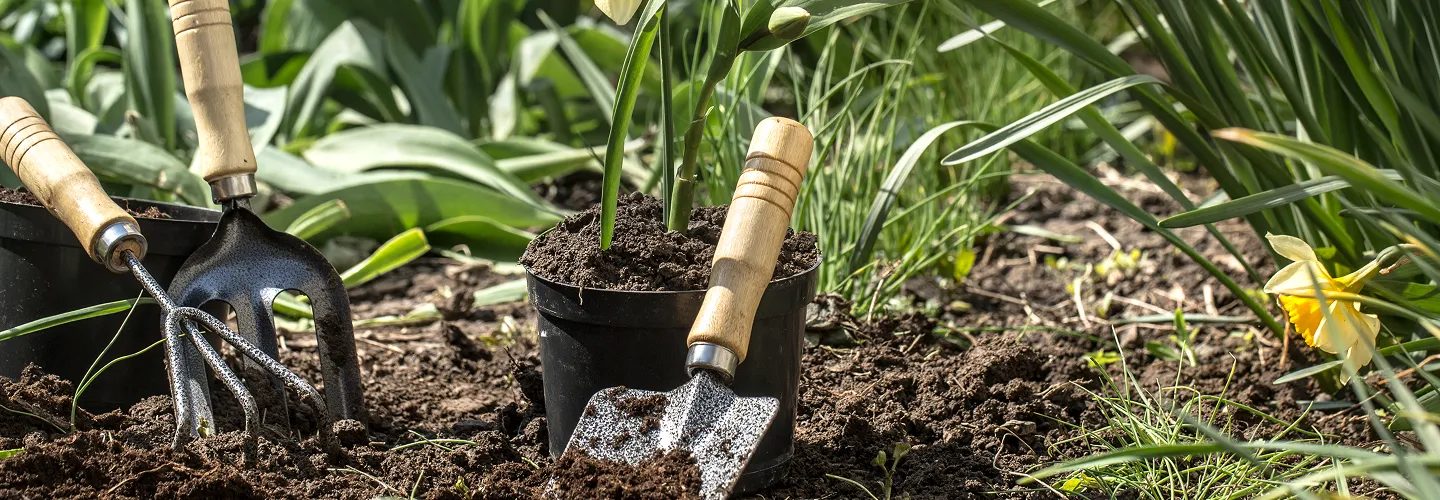
Grovetown Lawn Aeration Services
Choose our expert lawn aeration services to revitalize your yard—improving soil health, boosting grass growth, and ensuring a lush, resilient lawn that stands out all season long.
Get a Free QuoteOur Grovetown Landscaping & Yard Care Services
When to Schedule Lawn Aeration in Grovetown, Georgia – Seasonal Guide
In Grovetown, Georgia, the best time to schedule lawn aeration is typically during the late spring or early fall. These periods align with the region’s warm-season grasses, such as Bermuda and Zoysia, which thrive when aerated as they enter their peak growing cycles. Aerating during these windows allows your lawn to recover quickly and take full advantage of the improved soil structure, especially after the compacting effects of summer heat or winter dormancy.
Local factors play a significant role in determining the optimal timing for aeration. Grovetown’s proximity to the Augusta Canal and neighborhoods like Canterbury Farms means lawns may experience varying degrees of shade, humidity, and soil compaction. The area’s clay-heavy soils, combined with frequent summer thunderstorms and occasional drought risk, make it essential to choose the right moment for aeration. For more information on local environmental considerations, you can visit the Sudbury municipal resource.
Local Factors to Consider for Lawn Aeration in Grovetown
- Tree density and shade coverage, especially in areas like Ivy Falls Plantation
- Soil type (clay soils are common and prone to compaction)
- Recent precipitation patterns and drought risk
- Terrain slope and drainage, particularly near Euchee Creek
- Municipal watering restrictions or seasonal guidelines
- Timing of the last frost and onset of summer heat
Benefits of Lawn Aeration in Grovetown

Improved Soil Health
Enhanced Grass Growth
Better Water Absorption
Reduced Soil Compaction
Increased Nutrient Uptake
Stronger, Greener Lawns

Grovetown Lawn Aeration Types

Core Aeration
-
Spike Aeration
-
Liquid Aeration
-
Slicing Aeration
-
Manual Aeration
-
Plug Aeration
-
Rolling Aeration
Our Lawn Aeration Process
Site Evaluation
Preparation
Core Aeration
Cleanup
Post-Aeration Recommendations
Why Choose Grovetown Landscape Services
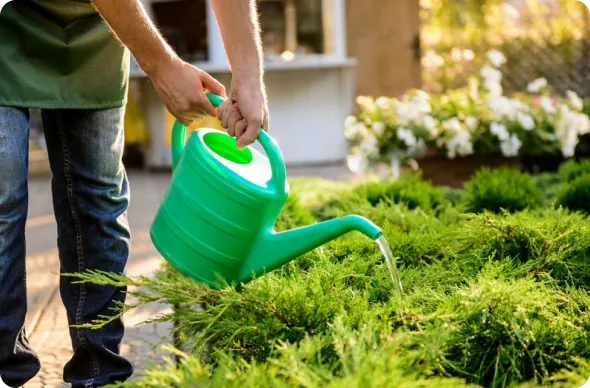
Grovetown Homeowners Trust Us
-
Comprehensive Lawn Maintenance
-
Reliable Scheduling
-
Experienced Local Team
-
Competitive Pricing
-
Satisfaction Guarantee
-
Personalized Service Plans
-
Prompt Customer Support
Grovetown's Piedmont-Coastal Plain Transition Soils and Core Aeration Depth Requirements
Grovetown sits in Columbia County along the fall line where Georgia's Piedmont red clay transitions into the upper Coastal Plain's sandy loam. According to the USDA Web Soil Survey, predominant soil series in the Grovetown area include Fuquay, Orangeburg, and Norfolk sandy loams, along with pockets of Appling and Cecil sandy clay loam in older, less-developed sections. These soils tend toward acidity, often registering a pH between 5.0 and 6.2, and compact readily under foot traffic, mowing equipment, and vehicle parking. Grovetown falls within USDA Hardiness Zone 8b, supporting warm-season turf species such as bermudagrass, zoysiagrass, and centipedegrass. Core aeration in these soils should target a depth of 2.5 to 3 inches using hollow-tine aerators. Key considerations include:
- Sandy loam areas: cores break apart quickly; aerate when soil moisture is moderate to maintain plug integrity
- Clay-influenced lots: compaction layers may form at 2–4 inches; deeper tine settings improve water infiltration
- Acidic soils: aeration paired with lime application improves calcium and magnesium penetration into the root zone
- Slope and drainage: lots near Euchee Creek or low-lying areas benefit from aeration to reduce surface ponding
Residents can verify their specific soil series through the USDA Web Soil Survey by entering their property address.
Optimal Aeration Timing for Grovetown's Extended Warm-Season Growth Period
Grovetown's long growing season—typically extending from mid-April through late October—provides a wide but specific window for effective lawn aeration. The UGA Cooperative Extension recommends aerating warm-season grasses during active growth when turf can recover quickly from mechanical disturbance. For bermudagrass and zoysiagrass lawns common throughout Grovetown, the ideal aeration window falls between late April and early June, with a secondary opportunity in August through mid-September. Centipedegrass, which is less aggressive in recovery, should be aerated only during peak growth in May or June. Critical timing factors include:
- Soil temperature: aerate after soil temperatures at 4-inch depth consistently reach 65°F or higher, typically by late April in the Augusta–Grovetown corridor
- Rainfall coordination: schedule aeration 24–48 hours after rainfall or irrigation so tines penetrate effectively without excessive mud
- Avoid dormancy: never aerate bermuda, zoysia, or centipede during winter dormancy (November through March), as open wounds invite weed colonization
- Pre-overseeding: if overseeding with ryegrass for winter color, aerate in mid-September before broadcasting seed
The National Weather Service Augusta forecast office provides localized precipitation and temperature data useful for scheduling aeration around Grovetown's variable spring and summer rainfall patterns.
How Grovetown's Stormwater Drainage and Euchee Creek Corridor Affect Aeration Practices
Lawn aeration directly influences stormwater infiltration, making it a relevant practice for properties near Grovetown's drainage infrastructure and natural waterways. Euchee Creek and its tributaries flow through portions of the city, and several subdivisions are situated near detention ponds, drainage ditches, and stormwater conveyance systems maintained by the city. Aeration reduces surface runoff by improving soil permeability—compacted lawns can lose 50–75% of rainfall to runoff, while properly aerated turf absorbs significantly more. Property owners near drainage corridors should observe the following precautions:
- Buffer awareness: avoid aerating within 25 feet of creek banks or pond edges to prevent loosened soil from migrating into waterways
- Stormwater inlets: do not leave soil cores on paved surfaces near storm drains; sweep or blow cores back onto turf
- Erosion-prone slopes: on lots grading toward ditches or detention areas, aerate along the contour rather than downhill to minimize channeling
- Post-aeration fertilization: if applying fertilizer after aeration, follow Georgia Department of Agriculture fertilizer guidelines and avoid application within 10 feet of impervious drainage features
The Georgia EPD Watershed Protection Branch oversees water quality standards that apply to stormwater discharge throughout Columbia County. Grovetown's Streets and Sanitation Department coordinates local infrastructure maintenance, including drainage system upkeep that intersects with residential lawn management.
Grovetown Streets and Sanitation Department
103 Old Wrightsboro Road, Grovetown, GA 30813
Phone: (706) 863-4576
Official Website: Grovetown Streets and Sanitation Department
Grovetown Code Compliance and Property Maintenance Standards Related to Lawn Health
Grovetown's Code Enforcement division enforces property maintenance standards that include turf condition, overgrowth, and general yard upkeep. While lawn aeration itself does not require a permit, it is a critical maintenance practice that supports compliance with the city's expectations for residential and commercial property appearance. Neglected lawns that develop bare patches, excessive thatch buildup, or weed dominance due to compacted soil may draw code enforcement attention. Proactive aeration helps property owners and managers avoid potential violations by:
- Reducing thatch accumulation: core aeration breaks through thatch layers exceeding ½ inch, which can harbor pests and disease
- Promoting turf density: improved root development fills in thin or bare areas that may otherwise be cited as unmaintained
- Supporting drainage: compacted lots that pond water near sidewalks or rights-of-way can create nuisance conditions; aeration improves absorption
- Coordinating with overseeding: aeration followed by overseeding addresses bare soil that may otherwise require sod replacement to meet property standards
Property owners with questions about maintenance expectations should contact Grovetown's Code Enforcement office, which enforces city codes and ordinances related to property maintenance, land use, and neighborhood standards.
Grovetown Code Enforcement
103 Old Wrightsboro Road, Grovetown, GA 30813
Phone: (706) 863-4576
Official Website: Grovetown Code Enforcement
Coordinating Aeration with Irrigation and Grovetown Water Department Resources
Effective lawn aeration in Grovetown requires careful coordination with irrigation practices, particularly during the hot, humid months from June through September when soil moisture fluctuates rapidly. The Grovetown Water Department manages municipal water services, and residents on city water should be aware that drought restrictions or conservation advisories may affect post-aeration watering schedules. The Georgia EPD Water Conservation program may issue statewide or regional advisories during extended dry periods. Practical irrigation and aeration coordination guidelines include:
- Pre-aeration watering: irrigate the lawn with approximately ½ inch of water one day before aeration to soften soil without saturating it
- Post-aeration irrigation: water lightly (¼ inch) within 24 hours after aeration to settle cores and begin the recovery process
- Drought periods: if outdoor watering restrictions are in effect, schedule aeration immediately following a natural rainfall event rather than relying on supplemental irrigation
- Irrigation system protection: flag all in-ground sprinkler heads, valve boxes, and shallow irrigation lines before aeration to prevent equipment damage; most aerator tines penetrate 2.5–3 inches, which can strike shallow components
Residents should verify current water use guidelines with the Grovetown Water Department before planning post-aeration irrigation schedules.
Grovetown Water Department
103 Old Wrightsboro Road, Grovetown, GA 30813
Phone: (706) 863-4576
Official Website: Grovetown Water Department
What Neighborhoods Do We Serve Throughout Grovetown, GA?
- Baker Place and Baker Place West: These established subdivisions feature mature landscaping on moderately sized lots with Fuquay and Norfolk sandy loam soils that compact under regular mowing traffic, making annual core aeration particularly beneficial for maintaining turf density.
- Euchee Creek area neighborhoods: Properties adjacent to Euchee Creek and its tributaries often have lower-lying lots with higher moisture retention; aeration in these areas improves drainage and reduces the risk of fungal disease in warm-season turf during Grovetown's humid summers.
- Columbia County subdivisions near Gateway Boulevard: Newer developments along the Gateway Boulevard corridor frequently have compacted fill soils from construction grading, requiring deeper aeration passes to break through hardpan layers that restrict root growth.
- Magnolia Park: This community features a mix of bermudagrass and zoysiagrass lawns on gently sloping lots where aeration supports water infiltration and reduces runoff toward neighborhood detention features.
- Heritage at Grovetown: Homes in this subdivision sit on lots with sandy clay loam subsoils that benefit from fall aeration paired with lime application to correct acidity and improve nutrient availability.
- Brookstone and surrounding areas near Robinson Avenue: Older residential sections closer to downtown Grovetown often have decades of soil compaction from foot traffic and limited grading; core aeration restores permeability and supports overseeding efforts on thinning lawns.